AI-powered CRMs are reshaping higher education, but technology alone won’t solve enrollment challenges. Before investing in a new platform, make sure your institution is solving the right problem.
Every week, another AI-powered CRM enters the market promising to transform enrollment management. The messaging is familiar: smarter automation, predictive insights, personalized communication, and stronger enrollment outcomes. As colleges and universities face increasing pressure to recruit, enroll, and retain students with fewer resources, it’s easy to understand why these platforms are generating so much attention.
There’s no question that AI is changing higher education. Used thoughtfully, it can reduce manual work, strengthen communication, identify trends earlier, and give enrollment teams more time to focus on students instead of administrative tasks. Those capabilities matter, and they will continue to shape how institutions operate in the years ahead.
But before comparing vendors or scheduling product demonstrations, institutions should pause and ask a different question.
What problem are we actually trying to solve?
It’s a deceptively simple question, yet it’s one many institutions skip. When conversations begin with technology instead of institutional challenges, it’s easy to mistake a process problem for a software problem. The result is often a significant investment in a new platform without addressing the underlying issues that made the existing system feel ineffective in the first place.
The excitement surrounding AI-powered CRMs isn’t misplaced. Enrollment teams are managing increasingly complex communication plans while student expectations continue to evolve. Prospective students expect timely, personalized outreach. Institutional leaders expect stronger enrollment performance. At the same time, many teams are being asked to accomplish more without adding staff or expanding budgets.
Technology offers a compelling answer to those pressures.
Modern CRMs can automate communication, surface predictive insights, support workflow management, and help institutions engage students at scale. Those capabilities can absolutely improve enrollment operations—but only when they’re built on a clear understanding of how the institution wants those operations to function.
Technology can improve execution.
It cannot define it.
One of the biggest misconceptions surrounding AI is that better technology naturally produces better outcomes. In reality, technology tends to amplify the systems already in place.
If communication plans are inconsistent, automation simply delivers inconsistent communication more efficiently. If departments define enrollment milestones differently, AI doesn’t reconcile those differences. It simply responds to the information it’s given.
That’s why successful technology initiatives almost always begin somewhere other than technology.
They begin by understanding how the work actually gets done.
Before recommending a platform, institutions should understand how prospective students move through the enrollment process, who owns each communication, where decision-making happens, and how success is measured across departments. Those conversations often uncover opportunities that have nothing to do with purchasing new software.
Technology is a powerful tool.
Strategy determines whether that tool creates value.
When institutions begin evaluating new technology, it’s often because something isn’t working. The important question is whether the technology is actually causing the problem.
We’ve found that many of the challenges institutions attribute to their CRM originate elsewhere.
For example, departments may be communicating with students independently without a coordinated communication plan. Ownership of key enrollment processes may be unclear. Teams may define success differently or use different criteria to determine where students are in the enrollment process. In those situations, replacing the CRM rarely resolves the underlying issue because the platform was never the primary obstacle.
A new system can’t create consistency where consistent processes don’t exist.
It simply gives those same challenges a different interface.
That doesn’t mean institutions should avoid investing in new technology. It means the decision should follow a clear understanding of the work—not replace it.
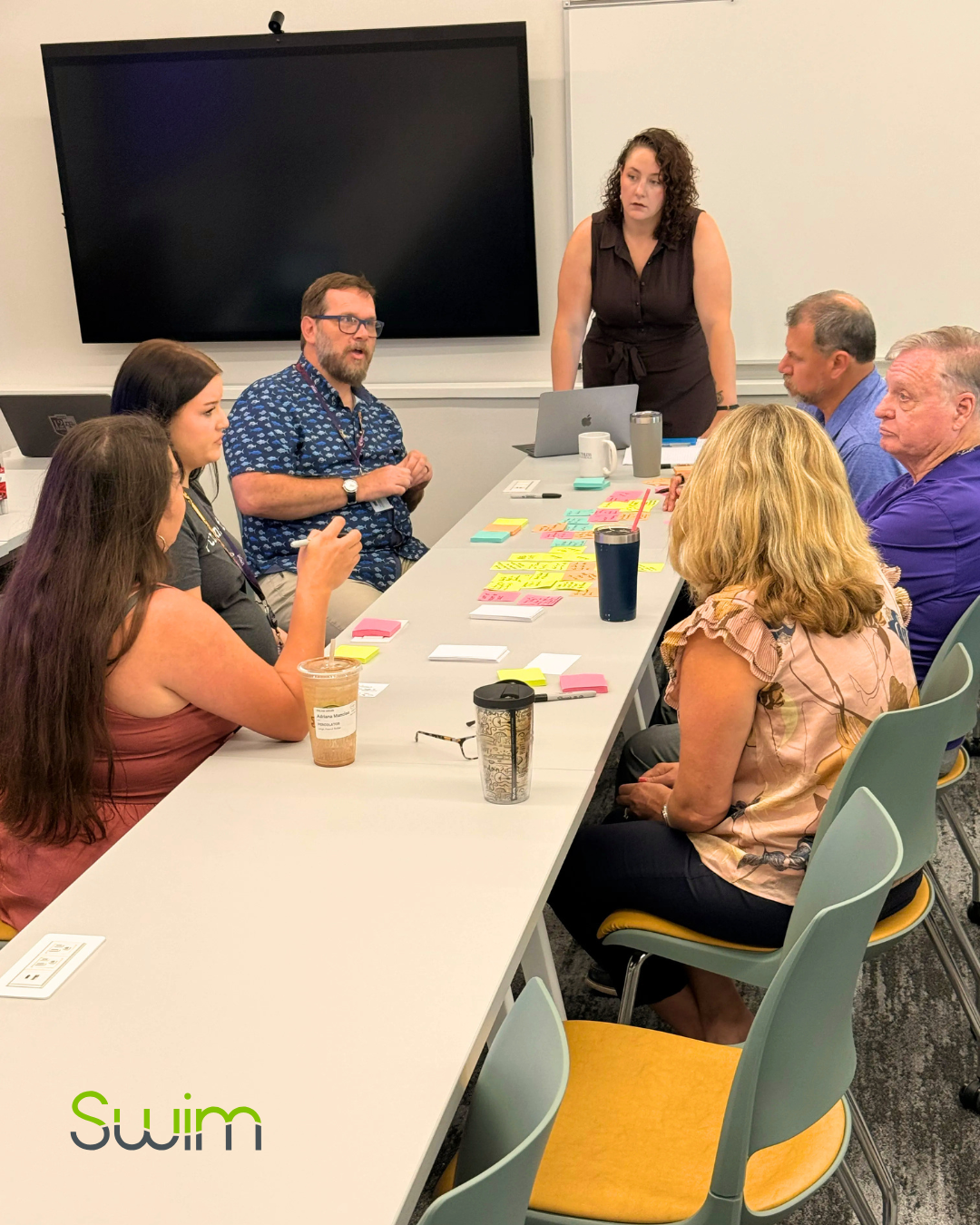
When institutions ask whether they need a new CRM, we rarely start by evaluating software. We start by understanding how enrollment operations work today. That means mapping workflows, reviewing communication plans, and talking with the people responsible for the work every day.
What we often discover is that the technology isn’t the primary challenge. More commonly, departments have developed different processes, communication overlaps, or inconsistent ways of working that limit the effectiveness of the systems already in place.
That’s why our focus is helping institutions get more from the technology they already have. By improving processes and creating greater consistency across teams, institutions often find their existing CRM is capable of far more than they realized. If a different platform truly is needed, that decision is driven by operational needs, not assumptions.
Of course, there are times when replacing a CRM is the right decision.
Some institutions have simply outgrown their technology. Others need capabilities their current platform can’t provide, whether that’s advanced automation, stronger reporting, AI functionality, or integration with other institutional systems.
The difference is that those decisions should be informed by strategy rather than frustration.
When institutions clearly understand their enrollment processes, communication strategy, and operational priorities, evaluating technology becomes much easier. Leaders can identify the capabilities they genuinely need instead of being distracted by features they’ll never use.
Technology should support institutional goals.
It shouldn’t define them.
AI will continue to reshape higher education, and institutions should absolutely be exploring how these tools can strengthen enrollment operations. Ignoring those advances isn’t a strategy.
Neither is assuming new technology will solve every challenge.
Before investing in another platform, take the time to understand how your institution works today. Identify where communication breaks down, where processes create friction, and where teams need greater clarity. Those insights will not only lead to better technology decisions—they’ll strengthen enrollment operations regardless of which CRM your institution ultimately chooses.
The best higher education CRM isn’t always the newest one.
It’s the one that supports a clear strategy, consistent processes, and people who know exactly how to use it.